Why Flooding Hits Chicago Hard
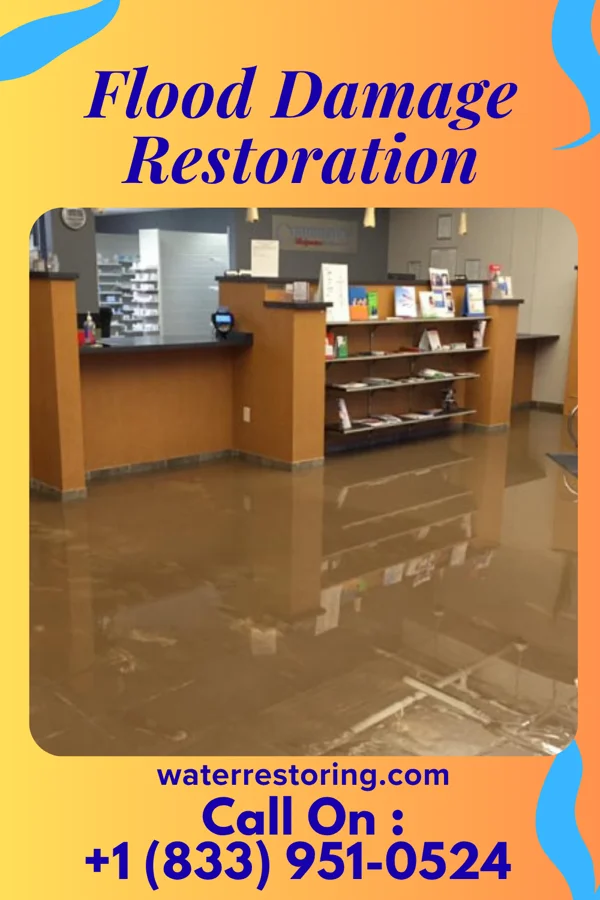
Numbers tell the story in Chicago: Chicago's flood risk is primarily caused by the convergence of the Chicago River and the Des Plaines River, which can overflow during heavy rainfall or snowmelt. Additionally, the city's extensive underground infrastructure, including storm sewers, can become overwhelmed, leading to basement flooding and street flooding in low-lying areas like the Near South Side and parts of the West Side. drives the majority of emergency restoration calls.
Chicago experiences a humid continental climate with significant rainfall, especially in the spring and summer months. The city's flat terrain and dense urban development contribute to rapid runoff, increasing the likelihood of localized flooding. Climate change is also expected to intensify extreme weather events, further heightening flood risks.
Chicago experiences a humid continental climate with significant rainfall, especially in the spring and summer months. The city's flat terrain and dense urban development contribute to rapid runoff, increasing the likelihood of localized flooding. Climate change is also expected to intensify extreme weather events, further heightening flood risks. The dominant local driver is Chicago's flood risk is primarily caused by the convergence of the Chicago River and the Des Plaines River, which can overflow during heavy rainfall or snowmelt. Additionally, the city's extensive underground infrastructure, including storm sewers, can become overwhelmed, leading to basement flooding and street flooding in low-lying areas like the Near South Side and parts of the West Side.. Our team specializes in all water damage categories, including clean water, gray water, and black water restoration. In Chicago, we frequently handle flood damage from rivers, sewers, and stormwater overflow, ensuring comprehensive and effective restoration.